How the Museum Came to Be
A short history of the Stiftung Deutsches Technikmuseum Berlin
How It All Began
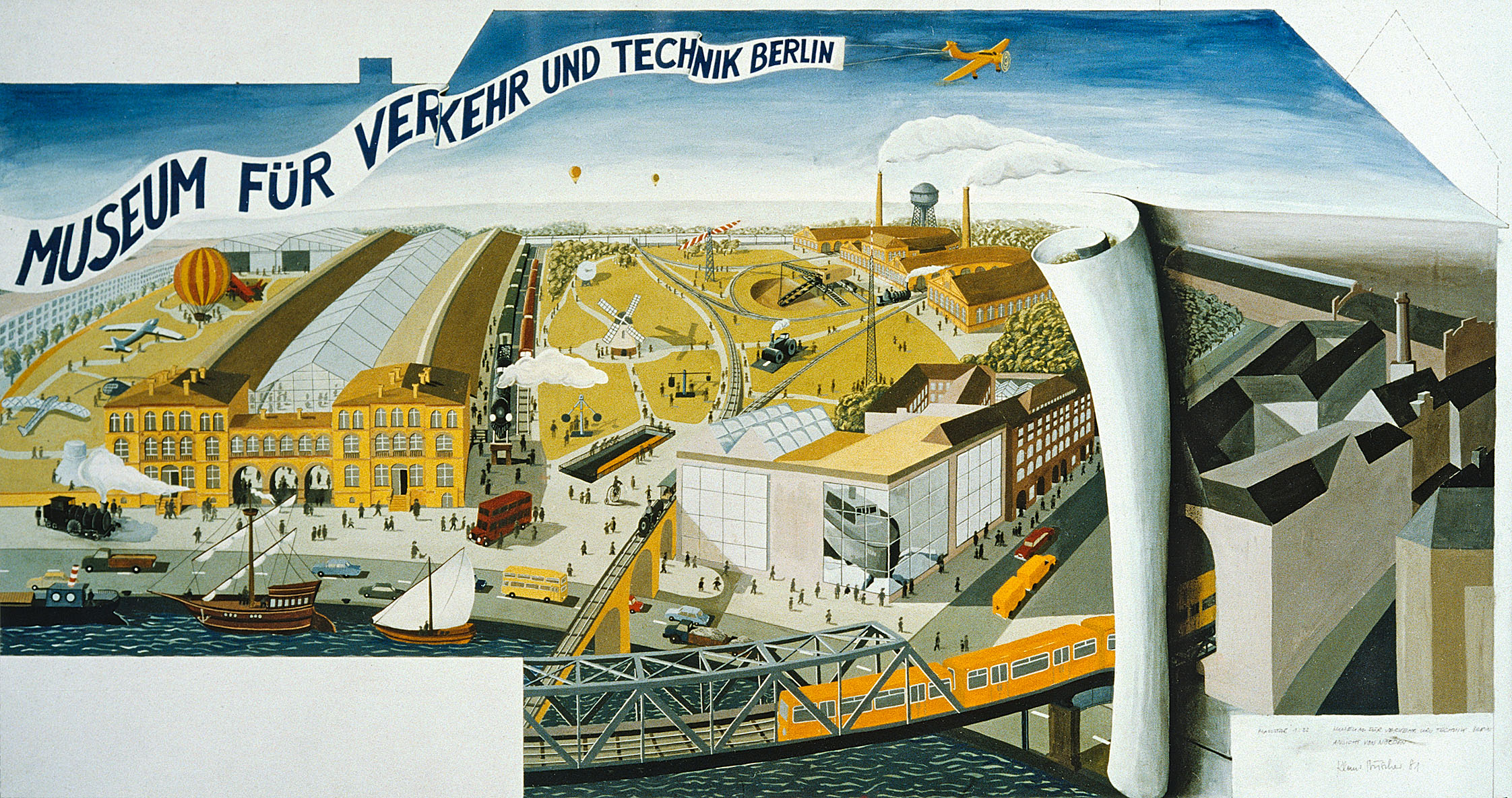
After the destruction of World War II, Berlin went without a technology museum for nearly 40 years. A support association was founded as early as 1960 with the goal of changing that. In December 1983, the “Museum of Transportation and Technology” finally opened with 1,700 square meters of exhibition space in what is now the entrance building on Trebbiner Straße in Berlin-Kreuzberg—in the immediate vicinity of the former Anhalter Bahnhof and the Gleisdreieck transportation hub. The museum’s concept was developed by its founding director, Professor Günther Gottmann. From the very beginning, the focus was on the connection between people and technology. The first exhibitions featured, among other things, objects related to printing technology, road traffic, and model ships and ship engines. A predecessor to today’s Science Center Spectrum was also part of the museum from the very beginning.
The Successor to a Hundred Technical Collections
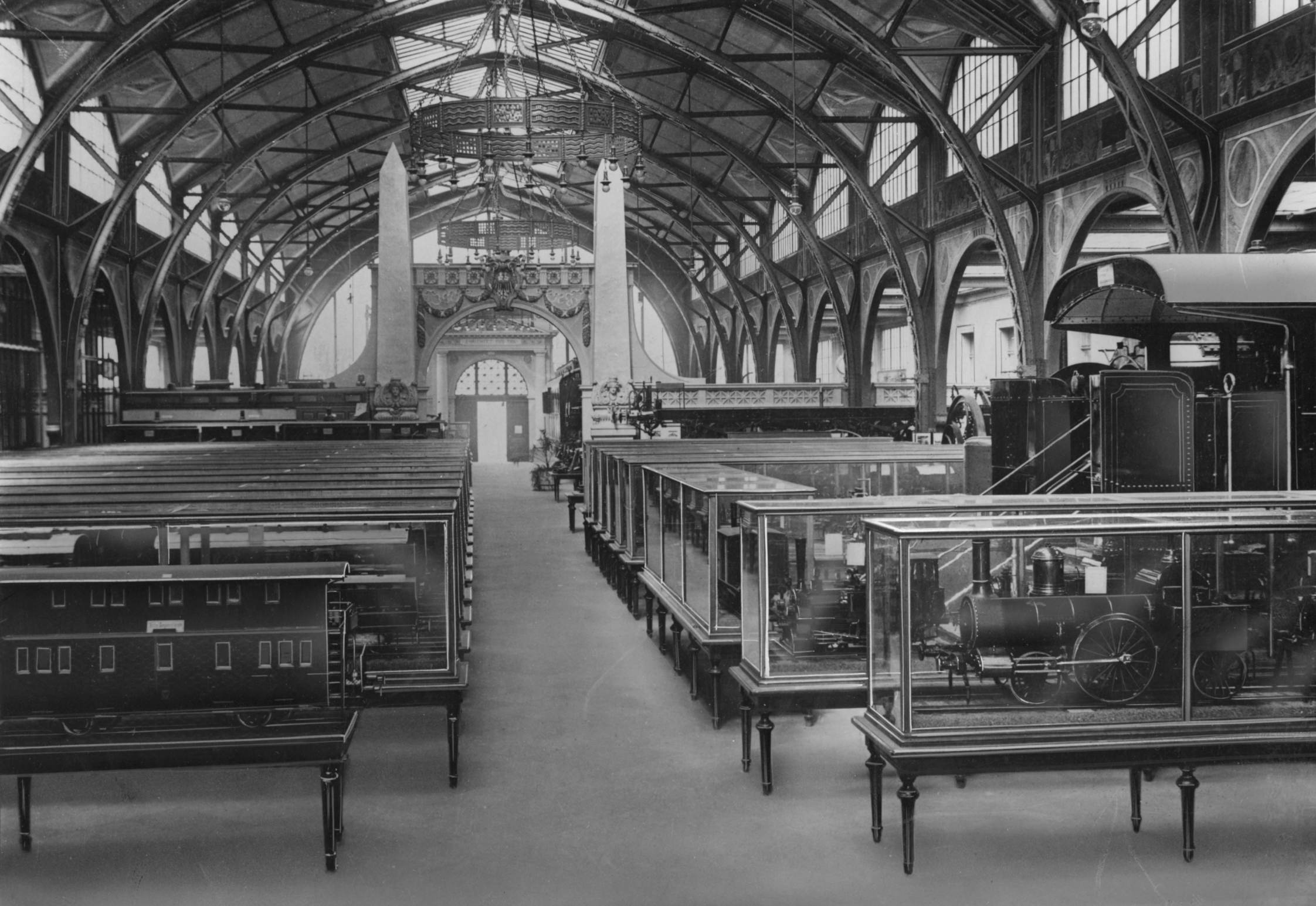
The new Museum was thus the successor to nearly a hundred technical collections from prewar Berlin. The most popular included the Verkehrs- und Baumuseum (Transport and Civil Engineering Museum) and the Museum für Meereskunde (Museum of Oceanography), which opened in 1900. The vast majority of its fascinating exhibits have been lost, but a few were saved and are now on display in the Shipping exhibition.
Continual Expansion, and a Candy Bomber for the New Building’s Facade
Ever since it opened, the Museum has continually expanded its collection and its exhibition spaces. In the 1980s, it added the two Engine Sheds, or roundhouses, and the Beamtenhaus (German for “office building”). These structures accommodated new permanent exhibitions devoted to topics like rail transport, papermaking, textile technology, and suitcase production. In 1989, the Museum unveiled the Zuse Z1 computer, a model of the first ever computer – built by its inventor, Konrad Zuse.
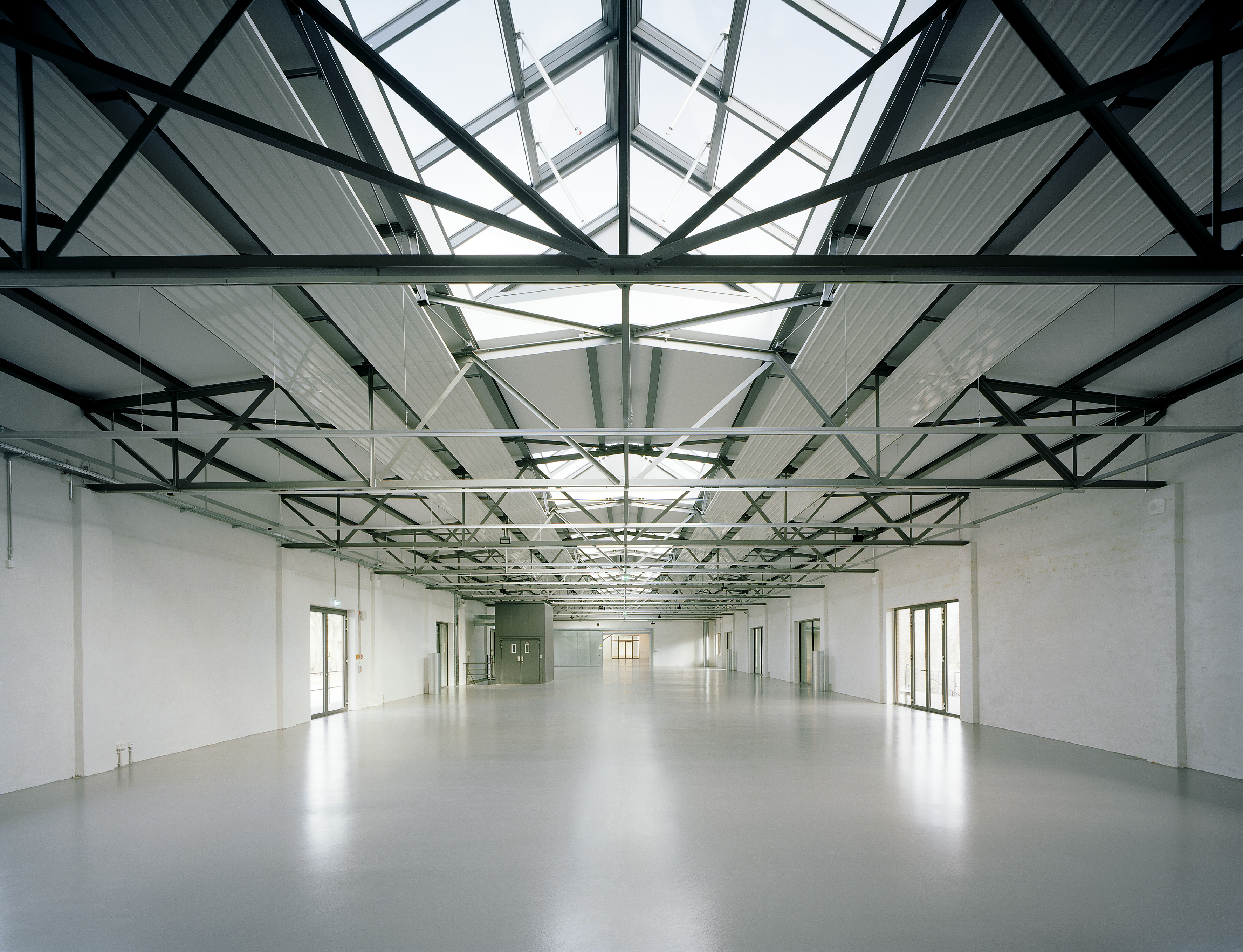
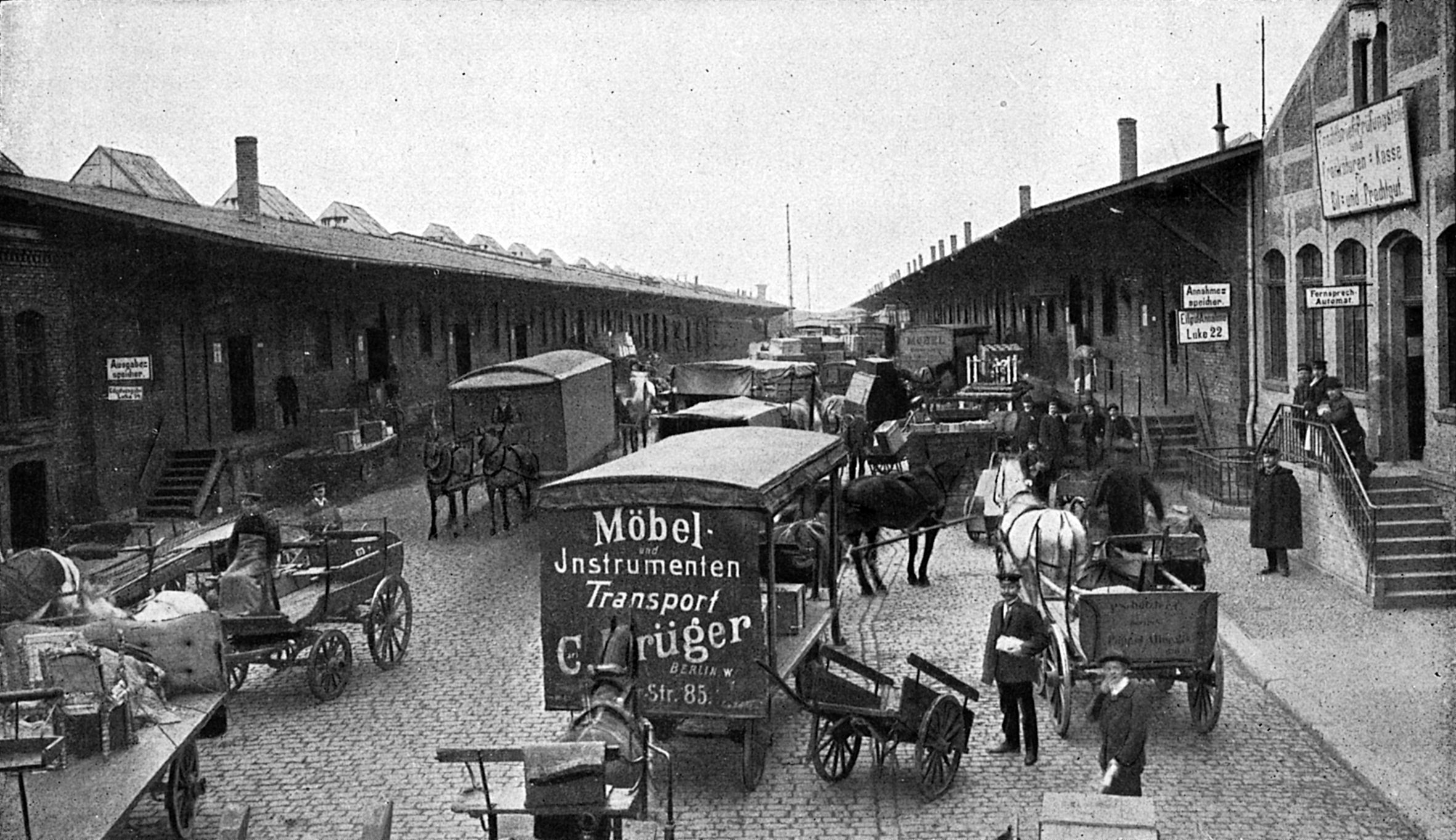
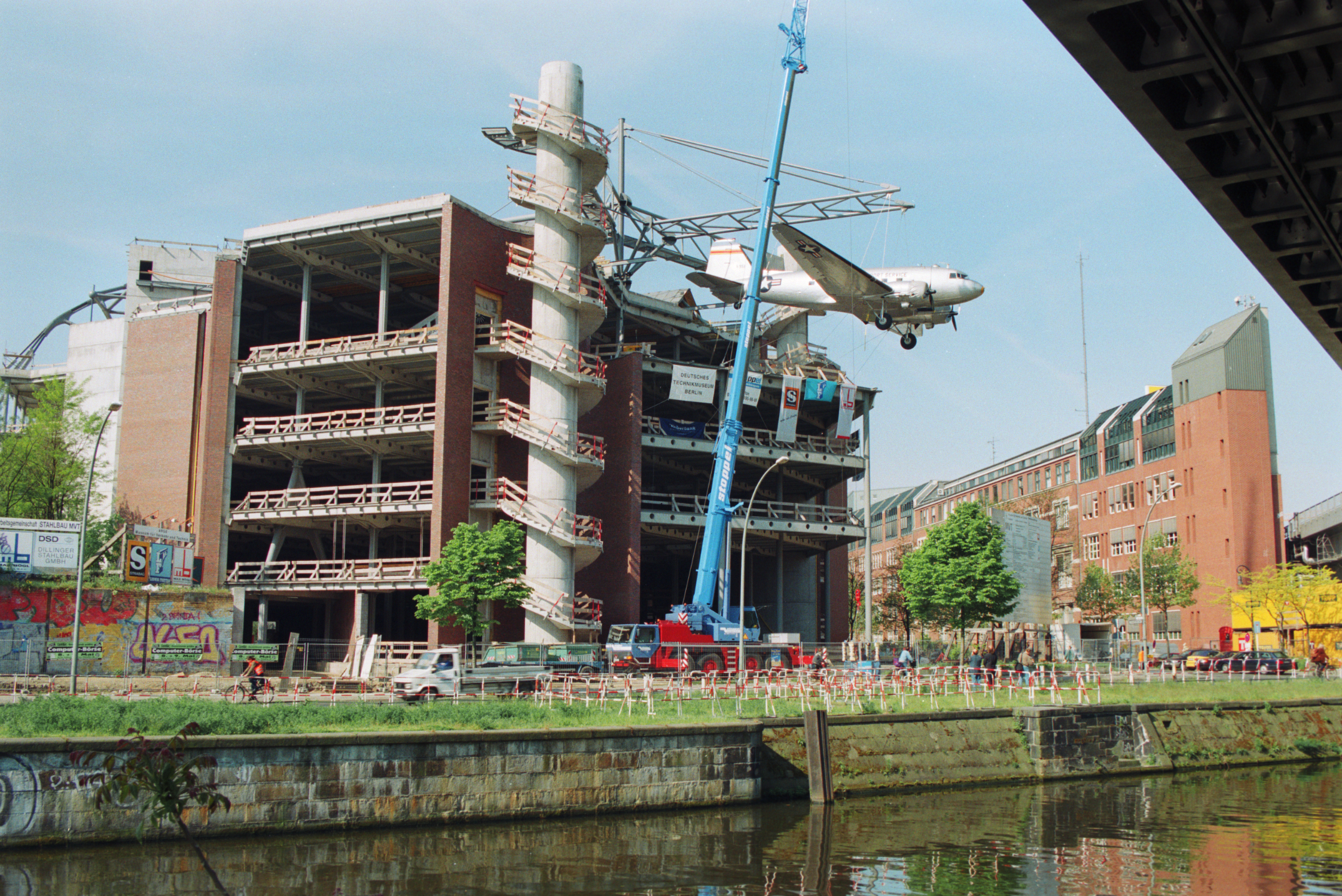
The first highlight of the next decade came in 1990. That’s when the Science Center Spectrum opened in the old station building designed by Franz Schwechten, located at the head of the Ladestraße (the old “Anhalter Bahnhof” freight depot). In 1995, the Zucker-Museum (Sugar Museum) became part of the collection. At that point it was still located in Wedding, but in 2015 it was transformed into a permanent exhibition in the Kreuzberg location. The next year, 1996, was very special: the cornerstone was laid for the New Building, and the Museum changed its name to the “Deutsches Technikmuseum Berlin” (German Museum of Technology in Berlin). Three years later, the roof was put on the New Building. To celebrate this milestone, a Douglas C-47 Skytrain – a “Candy Bomber,” known to Berliners as a Rosinenbomber (Raisin Bomber) – was mounted on the building as a symbol of the Museum.
Exhibitions in the New Building, and the Renovation of the Museum’s Ladestraße
n 2001, the Stiftung Deutsches Technikmuseum Berlin was founded. One year later, the Zeiss-Großplanetarium (Zeiss Planetarium) and the Archenhold-Sternwarte (Archenhold Observatory) were placed under the Foundation’s aegis. In 2016, the two astronomical institutions became part of the Stiftung Planetarium Berlin (Berlin Planetarium Foundation) instead. With the dawning of the new millennium, the 12,000 square meters of exhibition space in the New Building came alive. First, the Archive and Library moved in. The Shipping exhibition opened in 2003, followed in 2005 by the Aviation exhibition. In 2007, the Museum changed its name again, shortening it to “Deutsches Technikmuseum” (German Museum of Technology).
The Museum continued to expand, placing its Road Transport exhibition in the old freight depot in 2011. In 2015, this space also became home to “The Network: People, Cables, Data Streams.” With over 500 objects on display, this exhibition invites visitors into the world of network technology. That same year, the collection of the old Zucker-Museum moved into its new location: a brand new exhibition in the Deutsches Technikmuseum. In this way, the Museum has continually broadened its horizons, providing new insight into both the cultural history of technology and the impact technological evolution has had – and will continue to have – on human life.