The Kaffenkahn
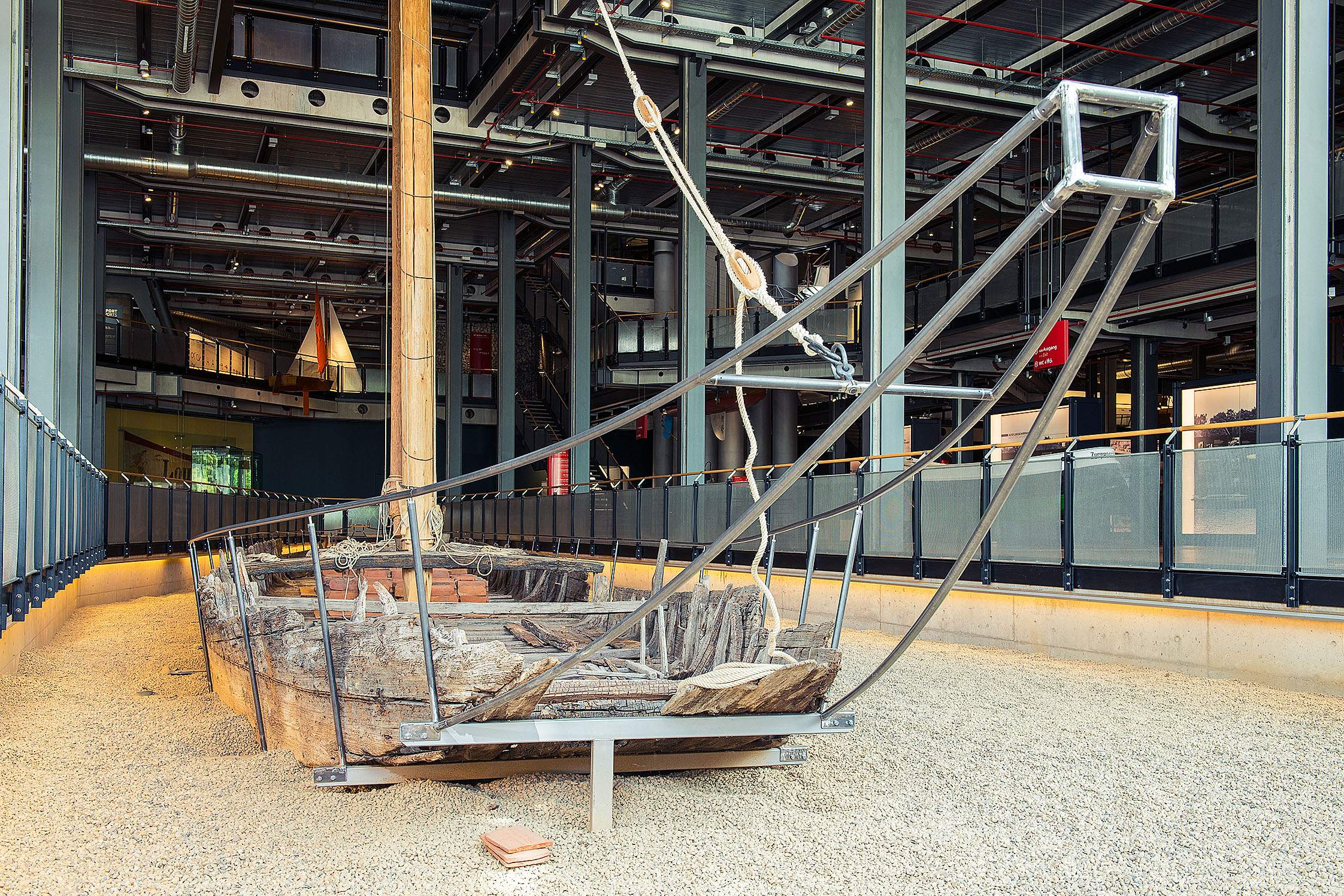
Our largest object is the Kaffenkahn in the Shipping exhibition. It extends across three floors. In the past, boats like this were used to transport building materials and food from the surrounding area into Berlin. Our Kaffenkahn was salvaged from the bed of the River Havel and restored by our team.
SDTB/ Foto: Ériver Hijano 1/1
Junkers Ju 52 "Tante Ju"
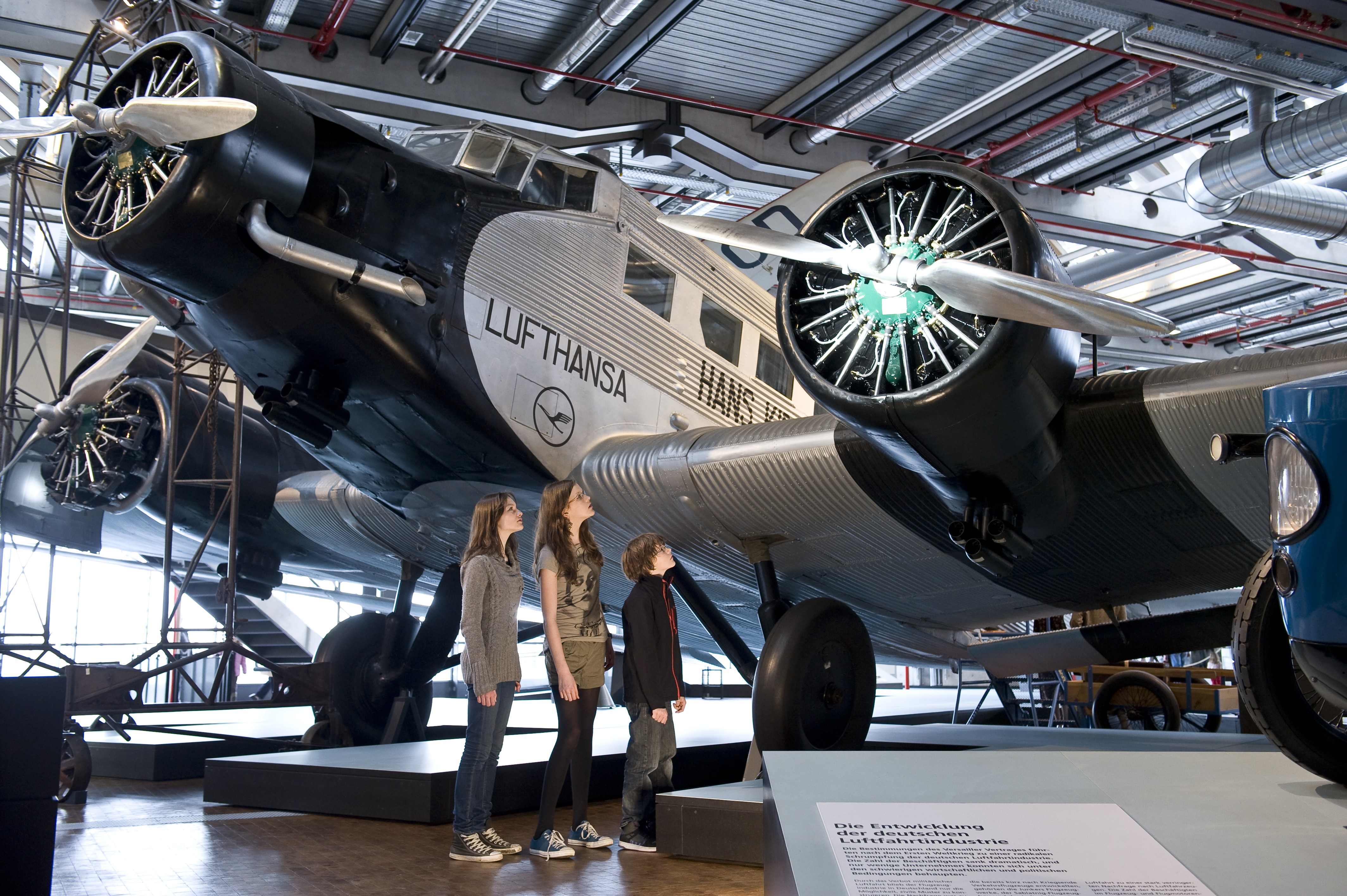
A real eye-catcher in the Aviation exhibition is the “Tante Ju.” The Junkers Ju 52 is the largest aircraft on display. Thanks to its reliability and forgiving flight characteristics, it was affectionately nicknamed “Tante Ju,” meaning “Aunt Ju.”
SDTB/ Photo: N. Michalke 1/1
The "Kaiserwagen"
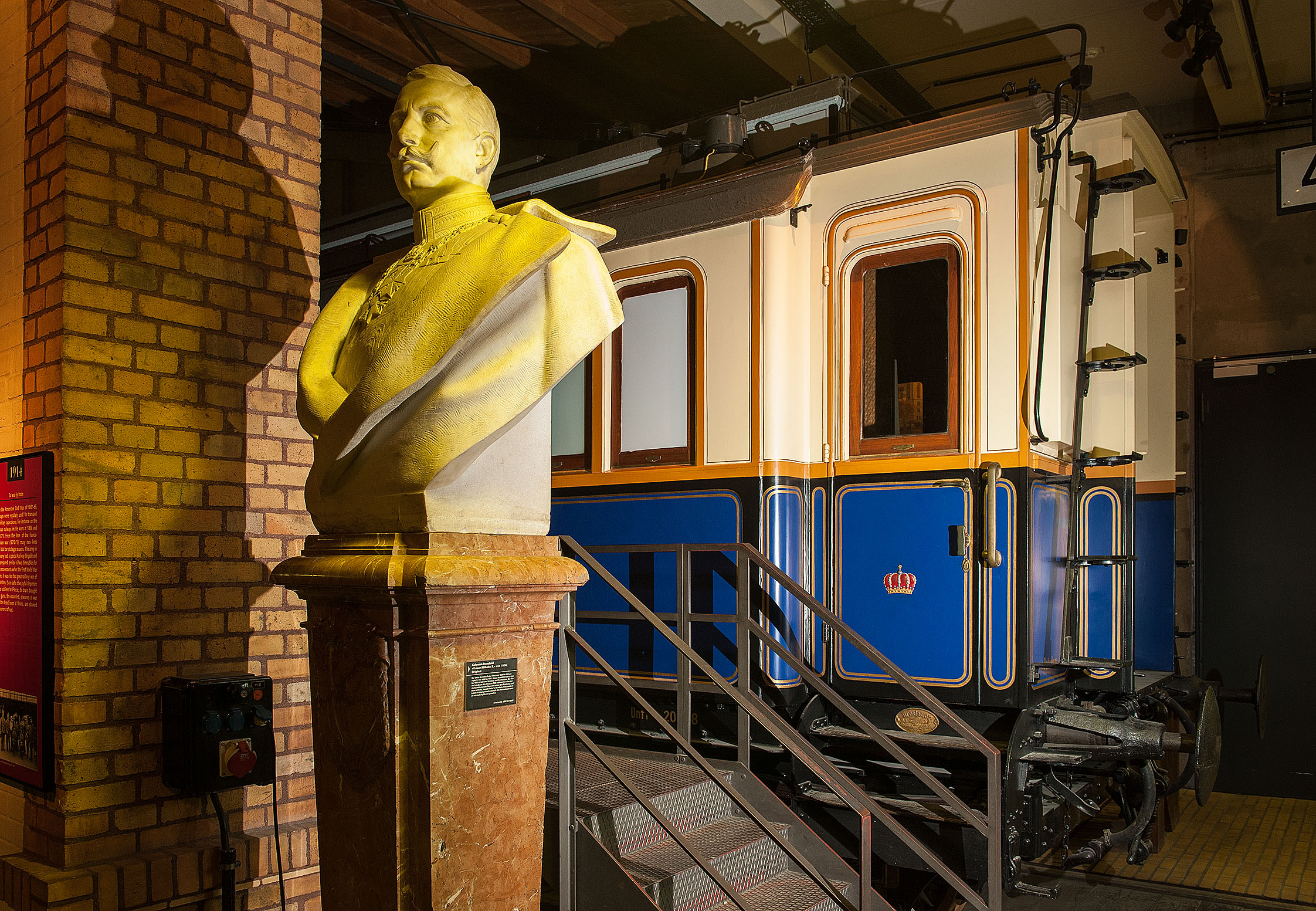
The saloon car of Kaiser Wilhelm II gives a vivid impression of why he was mockingly nicknamed the “Travelling Kaiser.” After an eventful history, the luxurious carriage was restored at our museum and is now on display in the Railway exhibition.
SDTB/ Photo: C. Kirchner 1/1
The Best View of Berlin
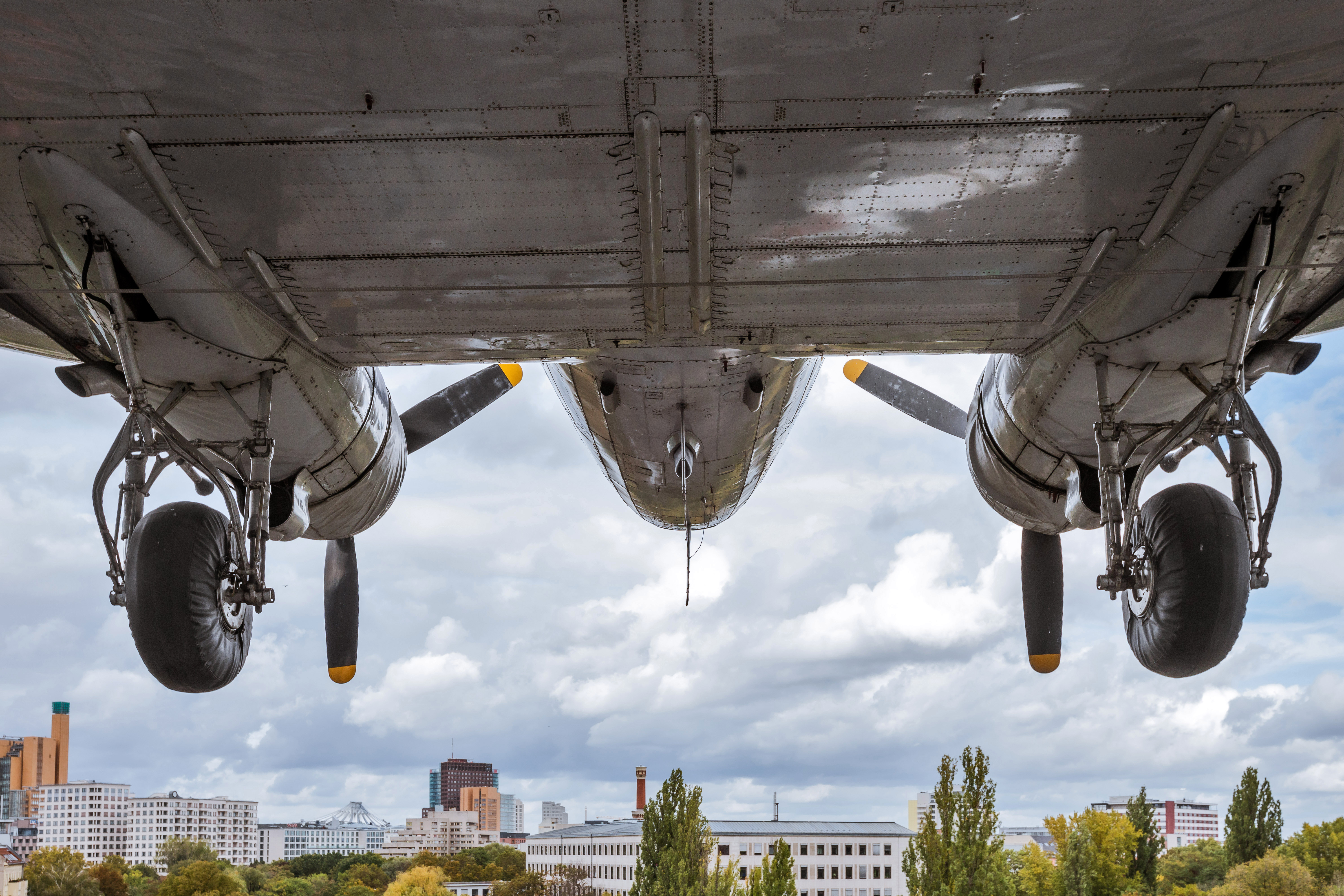
From our terrace on the fourth floor of the new building, you can enjoy a fantastic view over Berlin. You’ll see Potsdamer Platz, the Tempodrom and much more. And there’s an added bonus: You can also get a close-up view of our landmark, the “Candy Bomber” mounted on our façade!
FAQs for People in a Hurry
There are several highlights you definitely shouldn’t miss: Our largest exhibit is the “Kaffenkahn” in the shipping exhibition. It spans three floors. Boats like this were once used to transport building materials and food from the surrounding countryside into the city of Berlin. Another highlight is the impressive “Tante Ju,” a Junkers Ju 52, which was a very popular passenger aircraft in the 1930s. In addition, our railroad exhibition features Wilhelm II’s imperial railcar—a truly magnificent railcar that only the emperor was permitted to use. It’s also worth taking in the view of Berlin from the terrace of the new building—and as a bonus, you can see the “Rosinenbomber” up close!
Yes, you can always drop by the German Museum of Technology on a whim. However, we still recommend that you buy a ticket online in advance. Tickets purchased on-site cost two euros more than online tickets.
If you have kids with you, a quick stop at the Science Center Spectrum is a great idea. There, you can easily try out some fun experiments! Kids also love our locomotives. You should plan on spending about an hour there as well.
You can easily reach the museum by public transportation: U1, U7 at Möckernbrücke; U1, U2 at Gleisdreieck (accessible); S1, S2, S25 at Anhalter Bahnhof (accessible). There are only a few paid parking spaces at the museum. We recommend traveling by public transportation or by bike.